Housekeeping Affect Your Mood: Psychological Insights
Have you ever wondered how a house that is in a mess would put you on the edge, feeling uncomfortable or even nervous? Once home after a hard day’s work, a lot of people get to bed only to realise that their mood is gone. The thing is that the localities in which we live affect our feelings. Nevertheless, fortunately, even simple clean habits can not only make your place look neat, but they will also help to improve your psychological condition.
It is possible to make your surroundings fresh and feel better using tricks that will not hurt nature, and have you do no less than daily practices. Through this blog, you will get to learn how housekeeping affect your mood and how expert cleaning influences your mind and the easy ways you can use it to get its psychological advantages.
1. Cleaning as a Meditation
Washing dishes is a form of meditation, as when you pay close attention to one aspect, such as the swish of a broom, the polish smelling of citrus, or the vacuum hissing, you will be squarely in the here and now. This concentration reduces the number of racing thoughts and causes relaxation. Your mind also needs to work even at simple tasks like wiping counters or washing dishes. housekeeping affect your mood by calming your mind and helping you focus on the present moment. making cleaning enjoyable through mindful attention and sensory awareness will provide you with emotional control and will make your house smell good. Over time, you’ll notice how housekeeping affect your mood, turning simple chores into moments of mindfulness and peace.
2. Boosting Productivity
Cleaning your table, arranging papers, or sweeping floors makes both body and mind space free. When the environment is clean, the speed of decisions made by people increases, as well as a person is not mentally exhausted. Even such little things as wiping down a countertop or organising kitchenware can surprisingly enhance productivity and concentration during the day. This is another way housekeeping affect your mood by creating clarity and focus in your surroundings.
3. Physical Activity and Mood Uplift
Cleaning is the gym’s little-known friend, no gym membership required. Your muscles are exercised when you swing that broom or scrub that countertop, your heart gives a little dance, and your blood rushes to the party. Any movement makes endorphins, the natural confetti of feel-good chemicals that the body makes. A 20-minute blitz-cleanse will make you feel like you have achieved something, lose cosiness chemicals, and feel happier. housekeeping affects your mood by turning physical effort into emotional uplift, helping you feel both active and accomplished.
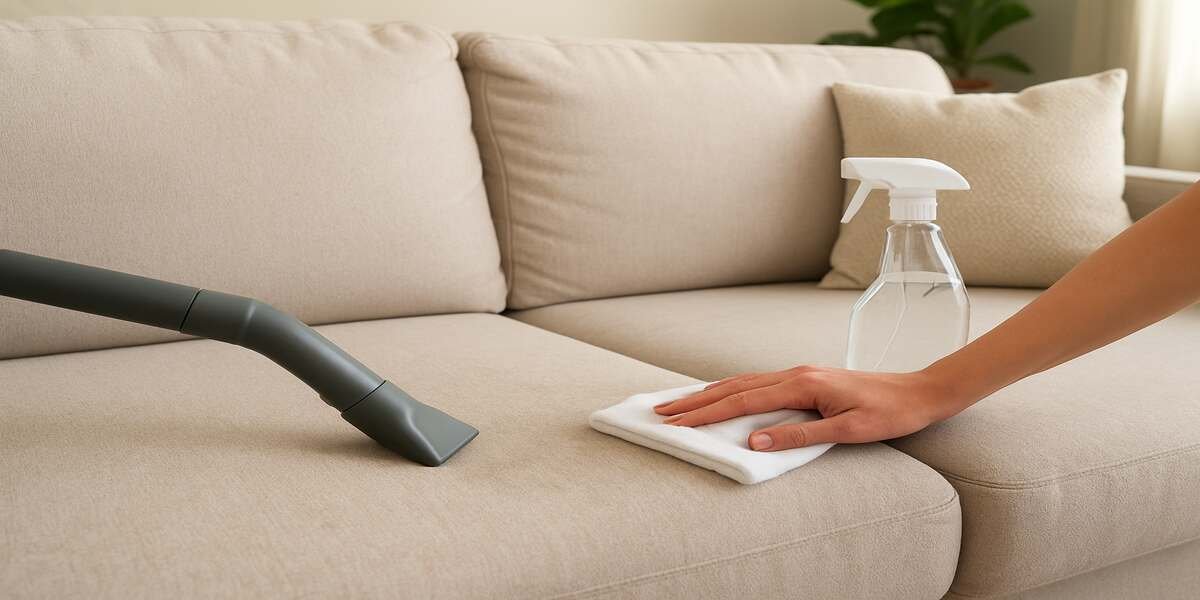
Next time you clean the house, then, you will know that you are not simply erasing your mess, you are storing yourself a bottled dose of wellness, and your couch will be grateful that you have saved it from the few hours of vacuuming at a late hour. Over time, you’ll see how housekeeping affect your mood, transforming routine chores into a natural source of positivity and satisfaction. Even during an end of lease Gold Coast clean, these mindful habits can lift your spirits and make the process more rewarding.
4. Feeling of Achievement
When cleaning jobs are done, especially something as thorough as bond cleaning, the reward system of the brain is triggered. Ticking things off, organising, or a shiny surface causes the release of dopamine and develops a sense of achievement and inspiration. The cycle motivates more tidying routines, which will make your environment clean and will improve your mood. This has a positive reinforcement effect, but in the course of time, housekeeping affect your mood so positively that it no longer seems like a burden—it becomes a natural mood-booster.
5. Enhancing Creativity
When everything around you is brought into order, your mind is free to roam. housekeeping affect your mood by clearing mental clutter and creating an environment where focus and creativity can thrive. Cleaning also minimises the distractions, and hence, brainstorming ideas or pursuing hobbies becomes easy. Creative work tends to flow more in an organised space since the brain has space to look into new ideas without visual distraction. Minor cleanup activities, such as emptying a workstation to have a seat to do an art project, can ignite inspiration and jumpstart creativity. This shows how housekeeping affect your mood, allowing peace of mind to nurture imagination and productivity.
Conclusion
To put it shortly, the simplest things like cleaning the house, dusting with attention, or spraying a perfumed spray can reduce stress, help focus better, and boost your mood. The attitude of making housekeeping a routine, a fun habit, and a personal ritual help you truly understand how housekeeping affect your mood and, create an atmosphere of a relaxed and happy environment. Begin with easy, manageable jobs, observe the beneficial effect, and make professional cleaning a self-care process.