Toilet Blockage Removal Tips for Fast Drain Recovery
Is water rising instead of draining, no matter how often you flush? This problem usually comes from deep blockages, trapped pressure, or the stacking inside pipes. Home service providers don’t guess. They apply fast, controlled, and proven methods to restore water flow. The focus stays on force direction, not random force. A clogged toilet disrupts the system, not just convenience. The right fix protects pipes, stops overflow risk, and resets pressure instantly. Below are the practical techniques used by experienced field teams to unclog toilets without breaking the sanitation balance.
1. Plunger Method
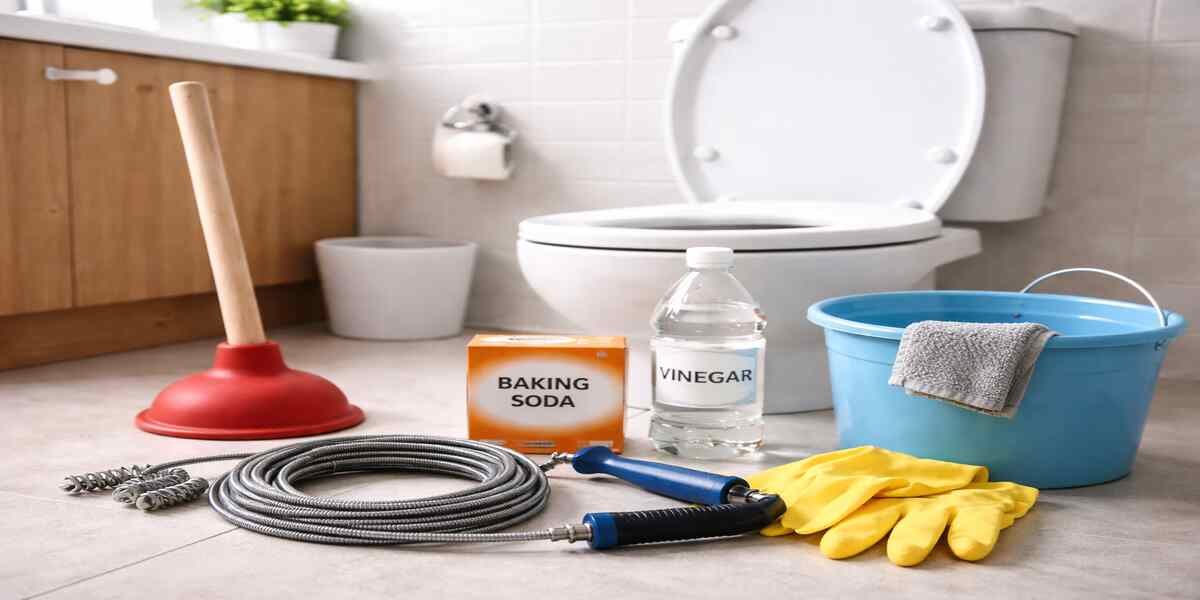
Use plungers with controlled motion. A trained professional team always applies suction first and pressure second instead of random force. Place the plunger fully over the hole. Keep water covering the cup for pressure. Use firm, slow pushes. Avoid fast hits that splash water. Maintain a vertical motion. Pull gently to release air pressure. Push again to break the blockage. This works because pressure dislodges waste. The trade-off is physical effort, but it solves most blockages fast. The aim is to restore flow, not make a mess. If the first attempt fails, repeat 4–5 times with a stable rhythm.
2. Toilet Auger
An auger reaches deeper than a plunger. Professionals insert the cable into the drain. Rotate the handle gently to avoid pipe scratches. Push until resistance appears. Rotate again to grab the blockage. Pull the cable back slowly. Remove the waste manually. This works on solid or deep blockages. The trade-off is tool cost. But it saves pipe damage. Avoid using sharp homemade wires. They harm the system. The goal is mechanical precision, not force. After removal, flush once to confirm flow reset. This method solves what plungers can’t reach.
3. Baking Soda and Vinegar
This is used by experts for mild organic blockages. Add baking soda to the bowl. Pour vinegar slowly after it. Let the fizz build. This creates gas pressure. It pushes waste down. Wait 10 minutes. Flush once. Avoid repeating too many flushes. It can overflow. This works for soft waste, not hard objects. The trade-off is limited strength. But it is safe and chemical-free. It resets odour trails, too. The aim is balance, not reaction. Use this only when the clog is mild. It supports, not replaces, mechanical tools.
4. Remove Object Blockages Manually if Visible
If objects like wipes, toys, or plastic are visible, professionals pull them out manually. This is faster than plunging. Never push objects deeper. That makes the system worse. Rodents can’t bite metal wool, but plastic is easy to push. Remove gently using gloves or pliers. Avoid sharp tools. They scratch pipes. This works because the blockage exists instantly. The trade-off is hygiene risk if done without gloves. So always wear gloves. The aim is safety, speed, and system protection. Visible object removal always beats pressure methods. Do it first if visible.
5. Flush Pipe Aftercare Reset
After clearing the blockage, professionals reset the pipe environment. Pour one bucket of warm water slowly. This confirms flow stability. It removes leftover scent trails. It resets the sanitation balance. Avoid strong chemicals. They leave residue scent trails that attract pests later. Aftercare prevents stress return. The trade-off is extra time. But it builds long-term system independence. Pipes stay clean longer when reset early. This is a non-negotiable step for service-provider teams. The goal is a system reset, not a short-term drain push.
- Flush once only after clog removal.
- Pour warm water for confirmation.
- Avoid chemical overuse after clearing.
- This protects pipe health and stops odour loops.
Conclusion
An expert crew protects hygiene, pipe health, and moisture balance. Homeowners fail when they repeat chemicals or flushes emotionally. The right fix resets the system instantly and prevents stress from stacking again. To verify results, check water stability, odour trails, and moisture edges weekly. The goal is long-term resilience. Not short-term reaction. A clean, sealed, dry, and pressure-reset toilet system stays stable for years. Unclog once, reset balance, protect warmth, avoid repeat loops. Unchecked moisture stress can create risks similar to those caused by damaged trees over time.