Smell like a swamp when clothes come out clean? Ever wonder what hides beneath that washer door, stuck behind the glass? That soft gray seal does just thinking about it feel slightly off? The one you never touch, yet always matters. Why is equipment designed to be clean always so filthy? Time to quit pretending the grime doesn’t matter. Treat that machine like it actually matters!
The Hidden Cost of a Dirty Washer
Most folks count on their washer to handle dirty clothes without fuss. Yet inside, constant dampness mixes with detergent gunk and stray fibers daily. After a while, small bits stick together, carrying wet smells and mold. Sometimes moisture grows where those clusters settle. Discover the steps on how to clean a front-load washing machine for smoother operation and extended life. Begin again with a solid machine, kept in good shape, tackling stains hard, outliving others by many seasons. Picture it working smoothly each time because you took moments now to care for it.
Gathering Your Cleaning Supplies
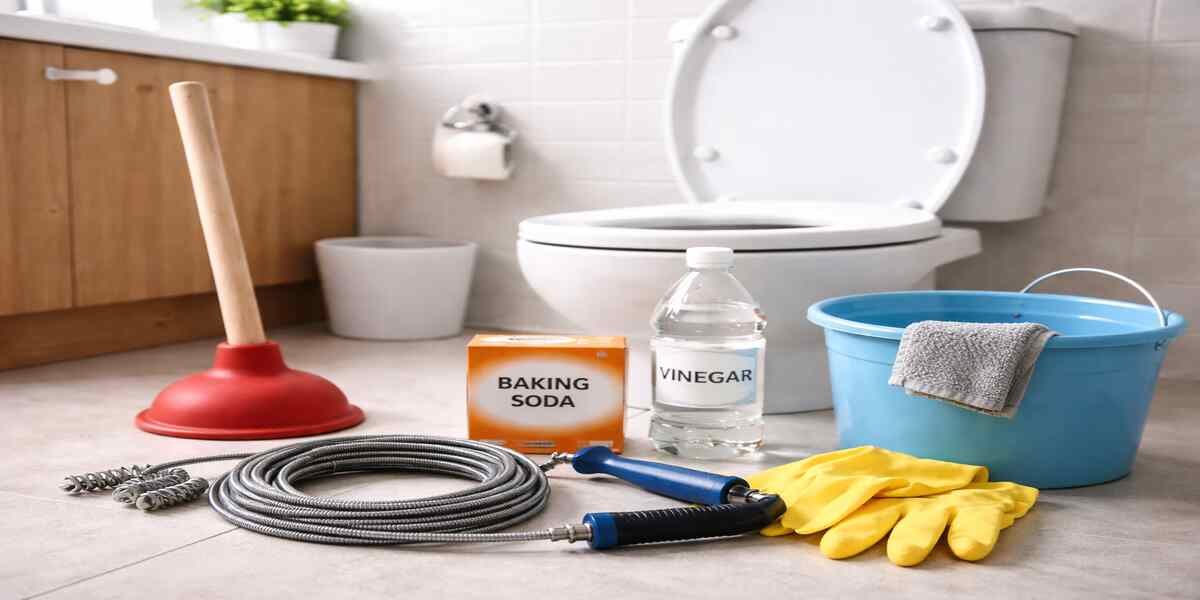
Start by collecting what you’ll use for a thorough cleaning. Expensive products or fancy gear aren’t necessary here. For most jobs, plain white vinegar paired with baking soda does the work just fine. A soft microfiber rag comes in handy, along with a worn toothbrush – maybe even a bit of gentle dish liquid. These same trusted techniques are what make bond cleaning services stand out, delivering the deep attention landlords and property managers expect. Every hidden spot where grime builds up becomes reachable with these few things. Before beginning, check that the washing machine has nothing inside. A clear spot on the floor helps you work without getting blocked.
Running the Hot Vinegar Cycle
Modern machines often have a dedicated cycle for self-cleaning. Check your manual to see if yours has this helpful feature. If not, you can simply use the hottest water setting available. Pour two cups of white vinegar directly into the drum of the washer. Start by pouring vinegar into the wash because it dissolves mineral buildup naturally. Smells fade too since germs feeding on moisture can’t survive its sting. A complete spin through the drum does all the work without scrubbing.
Wiping Down the Exterior
Mid-cycle, shift attention outside. A wet rag handles the outer shell plus buttons just fine. Grime likes corners, top edges catch it fast; so do flanks. The door’s inner glass needs care too. Over weeks, soap spray builds up, turning clear surfaces hazy without warning. Brighter corners appear once the grime fades from outer zones. The laundry area shifts tone when small efforts add up – noticeable, quiet changes take hold. Mood rises without warning, simply because someone showed care.
Deep Clean the Detergent Drawer
The detergent drawer accumulates sticky grime and black mold. Out comes the drawer fully removed for a close look. A tiny latch usually lets it glide free without force. Sitting in warm water mixed with dish soap, it waits a while. Bristles of a worn toothbrush attack dried suds and stiff softener gunk. Scrubbing loosens what clings too hard. After washing, leave it out so moisture can escape naturally. That way, leftover residue won’t block the small channels inside. While focusing on appliance hygiene, don’t overlook nearby surfaces—professional carpet cleaning can help remove hidden dirt and moisture buildup from your laundry area.
Scrubbing the Rubber Gasket
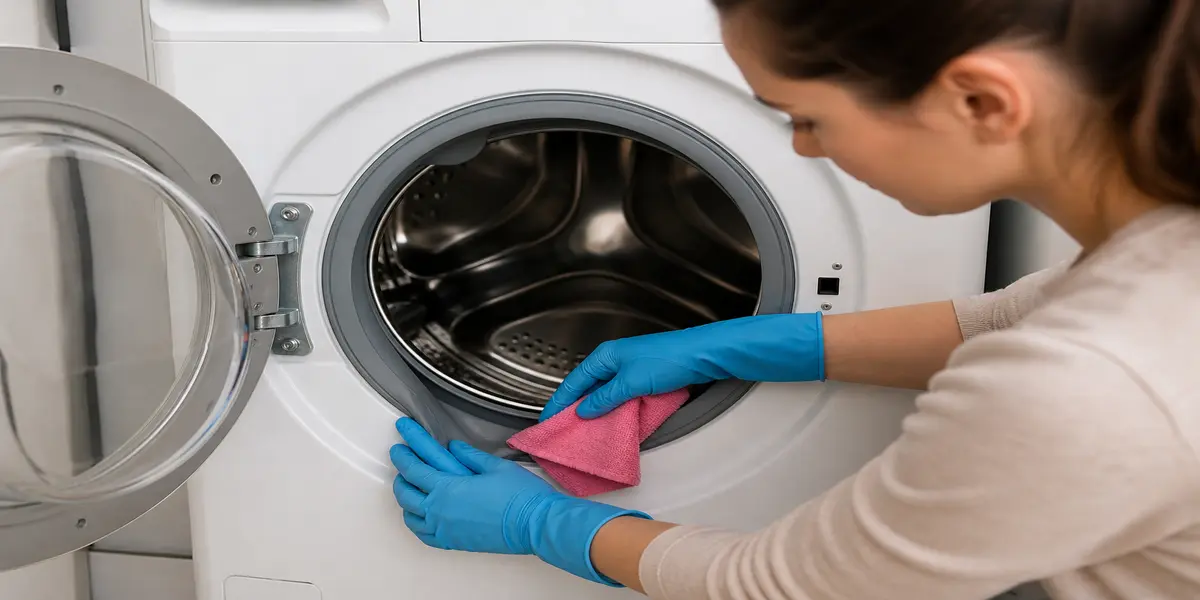
Hidden deep in the machine sits its trickiest spot. Every owner needs to know how to clean the front-loading machine rubber seal. Water lingers there, along with stray hairs and tiny scraps left behind. Carefully tug the folds aside to peek beneath the surface. Out pops forgotten change, loose buttons, and sometimes a thick coat of dark slime greets you. Firstly, clean the entire surface with a solution of vinegar and water, and then they sit there every day, staying on top of it prevents drips and stinky air.
Removing Stubborn Seal Mold
Most of the gunk vanishes without heavy rubbing when vinegar sits long enough. White vinegar–soaked sheets, pressed deep into creases, soften buildup fast. Time works here. Roughly sixty minutes make a difference if mildew clings tightly. Pull out damp layers once the wait ends. A soft rag sweeps away what remains after soaking. Surprising amounts lift free almost effortlessly. Start soft, since rough handling might rip the fragile rubber part. When that seal stays strong, drips stay gone from your laundry space.
Clearing the Drain Pump Filter
A little trap sits low on the front of each front-loading washing machine. It gathers fuzz, strands of hair, sometimes tiny things like keys, clips, that sock everyone misses. Lay something flat underneath, maybe a pan or folded cloth, just in case. Water tends to trickle once the cover comes off. Twist the plug free, then clean what’s inside using warm running water. Start by looking inside the chamber for objects stuck there, since these could stop water from moving through. After removing anything found, twist the lid into place firmly so it seals well against spills later.
The Baking Soda Refresh Cycle
After the vinegar wash ends. Pour half a cup of baking soda directly into the metal tub. Your best bet is to start a new hot water rinse to flush out the odors and residual moisture. This powder gently abrades without scratching what is adhered. Smells get balanced too, so the unit feels fresh but not perfumed. Start clean, finish fresh. Each round wipes down the entire drum without missing spots. Shine returns like it just left the store shelf.
The Importance of Airflow
A small gap works well for airflow. Leave it cracked just a bit when idle. About one inch is enough space for air movement. Moisture escapes more easily that way. Dampness inside fades faster with outside air mixing in. The seal around the edge benefits most from this habit. Mold struggles to settle when surfaces stay dry. Closing it fully traps wetness where problems start. Many shut it right away without thinking twice. Mold loves trapped moisture, so leaving the door cracked keeps things dry. A gap lets air move through after the cycles stop.
Choosing the Right Detergent
Check what kind of detergent you pour in. Since high-efficiency washers need only a small bit of soap, tossing extra inside causes thick foam. That foam lasts until the system is able to flush it out completely. Incrementally, gunk accumulates, which grime and microbes take up residence. The manual knows best, so match its dose advice every single load. Most times, just a small bit of detergent gets your laundry fresh. A lighter dose cuts down residue, leaving the washer’s inside far clearer.
Monthly Maintenance Schedule
Cleaning your washer regularly is an idea because it stops the job from becoming too big to handle later on. Cleaning your washer is important and doing it every month will make your life easier when it comes to cleaning your washer. Takes an hour and five minutes of work. The time remaining is just the machine running its cycles. This little bit of work now saves you a lot of money and a lot of headaches later on. A good servicing machine will take care of you for many happy years.
Involving the Whole Household
Start by showing each person at home a few basic steps. That seal on the washing machine? Wipe it down now and then. After running a load, let someone remember to crack the door open afterward. Once they catch on, things just go smoother around here. Pockets empty before laundry means fewer surprises later. Coins tossed in with shirts might seem harmless – until something inside gets bent or scratched. Little metal things might scrape the washer’s drum. The pump could fail because of them. That is why each person should look in their pockets first, before tossing clothes in. Getting used to that check makes sense over time.
Enjoying a Truly Clean Wash
Your washer is now really clean. That’s awesome. You’ll notice softer towels, and your shirts smell nice. It Is That Feeling When You Know Your Home Is Clean. You do not have to worry about mold getting on your clothes. A front-load washer is a machine that you take care of. You can enjoy the smells and feel happy that you did a good job. You are good at taking care of your room and your front-load washer. For tackling other stubborn residues around your home, you might also want to explore how do you make a homemade adhesive remover?